What if the things we throw away every day could become part of the solution to some of the challenges around us?
In Katanga, a community in Kampala, Central Uganda, people are learning to look at these materials differently.
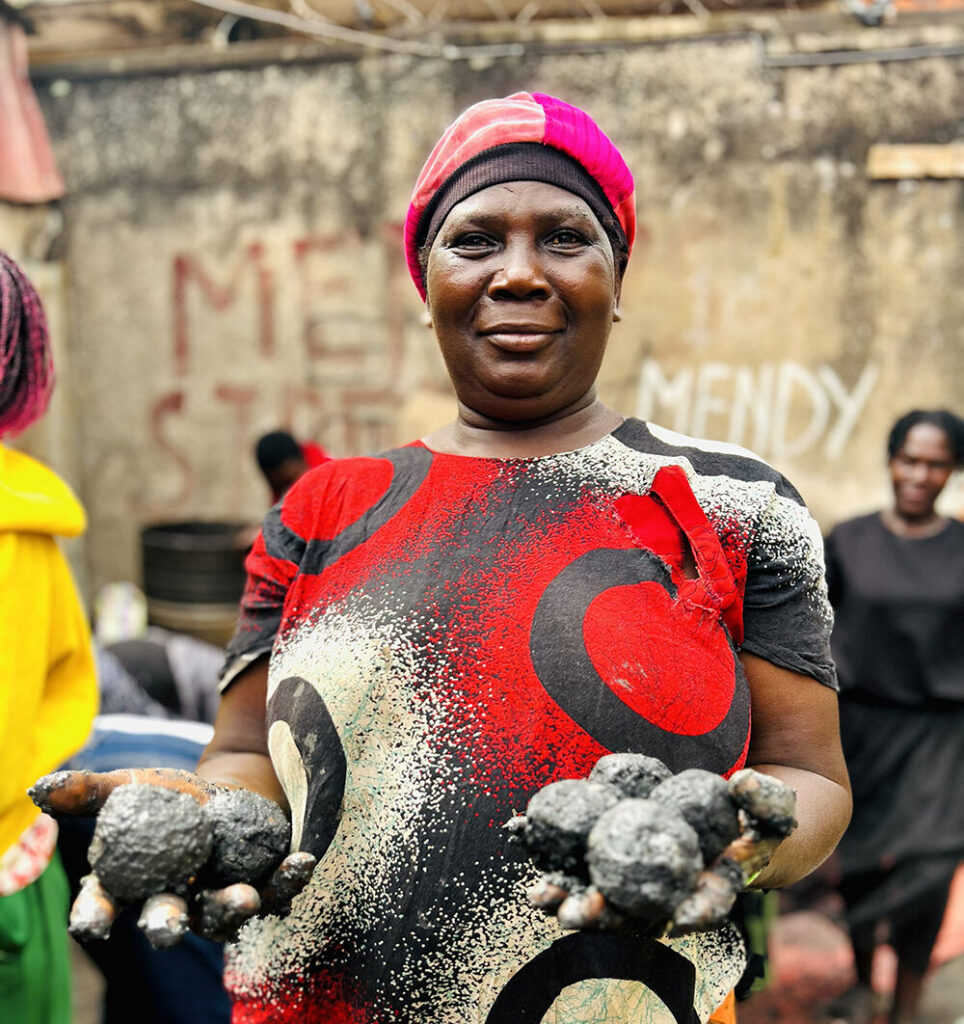
Through a community skills training provided by Sawa World in partnership with Amaaka Suubi Organization, participants came together to learn how everyday waste can be transformed into useful, safe and affordable eco-briquettes.
The training was about more than making briquettes. It was about recognizing value in materials that are often discarded and exploring how that value could translate into practical opportunities.
Seeing value in what we leave behind
Every day, homes and communities generate waste. Some is burned, some is discarded, and some becomes part of the growing rubbish around us.
Yet much of this waste still has value.
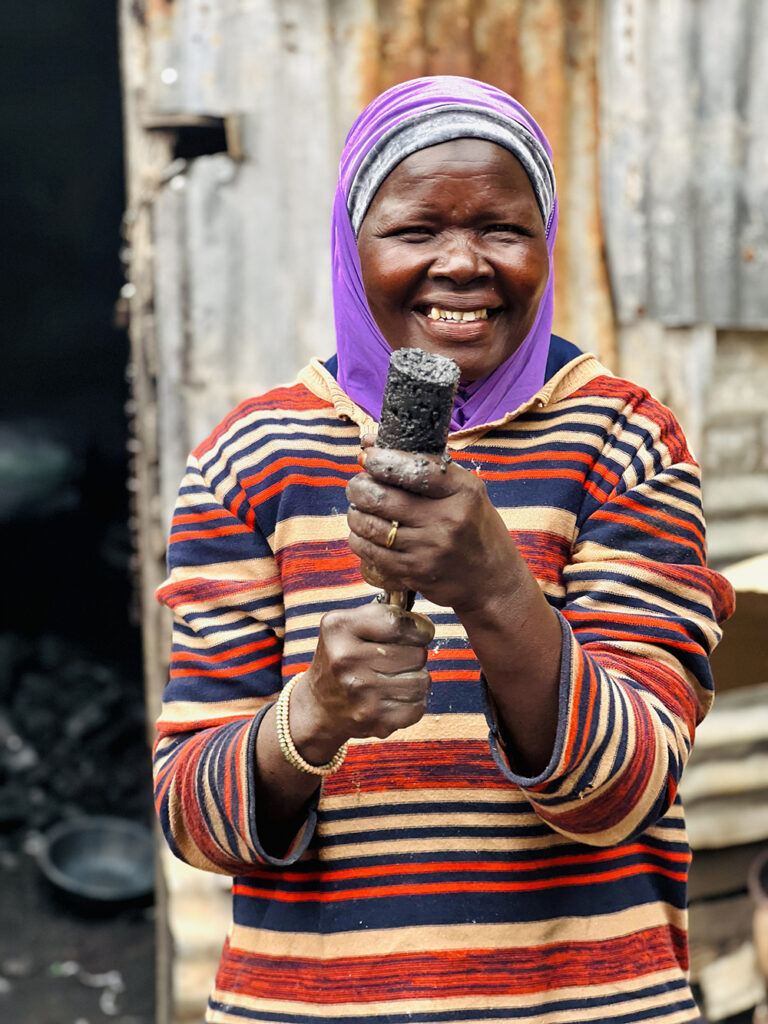
The participants in Katanga were introduced to a practical local income skill that can help them turn some of these discarded materials into briquettes that can be used as an alternative source of cooking fuel.
For many people, learning a skill begins with a simple question: What can I do with what I already have? The answer to this question can sometimes open a completely new door.
Instead of seeing a skill as something to learn and forget, the training encouraged participants to explore how it could become a source of income. That shift in perspective matters.
Learning by Doing
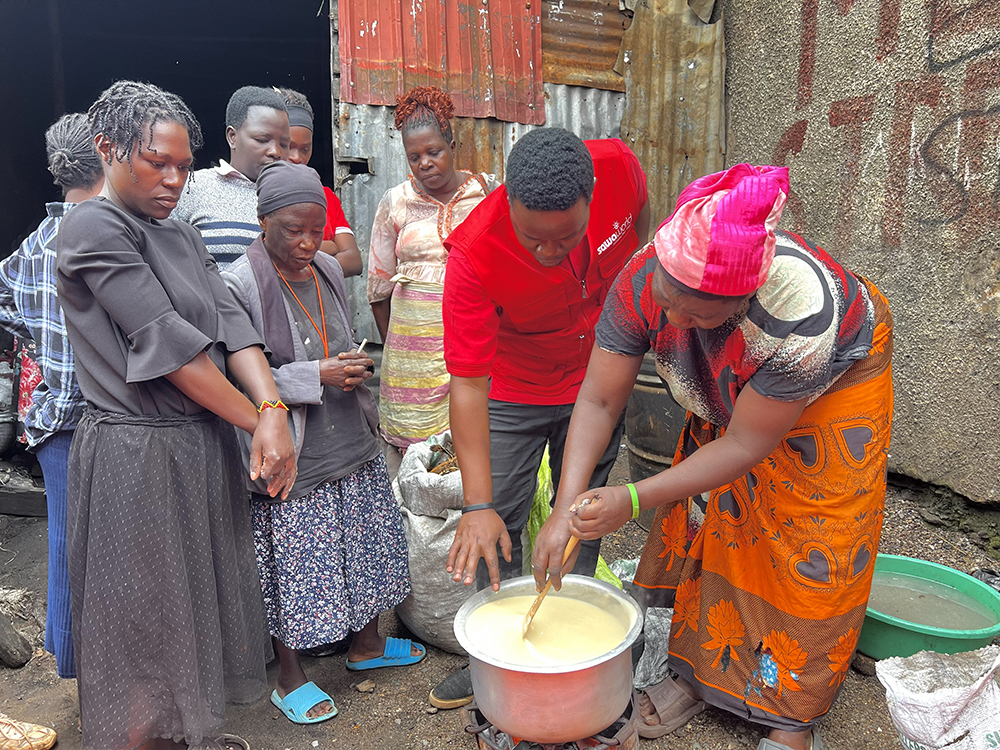
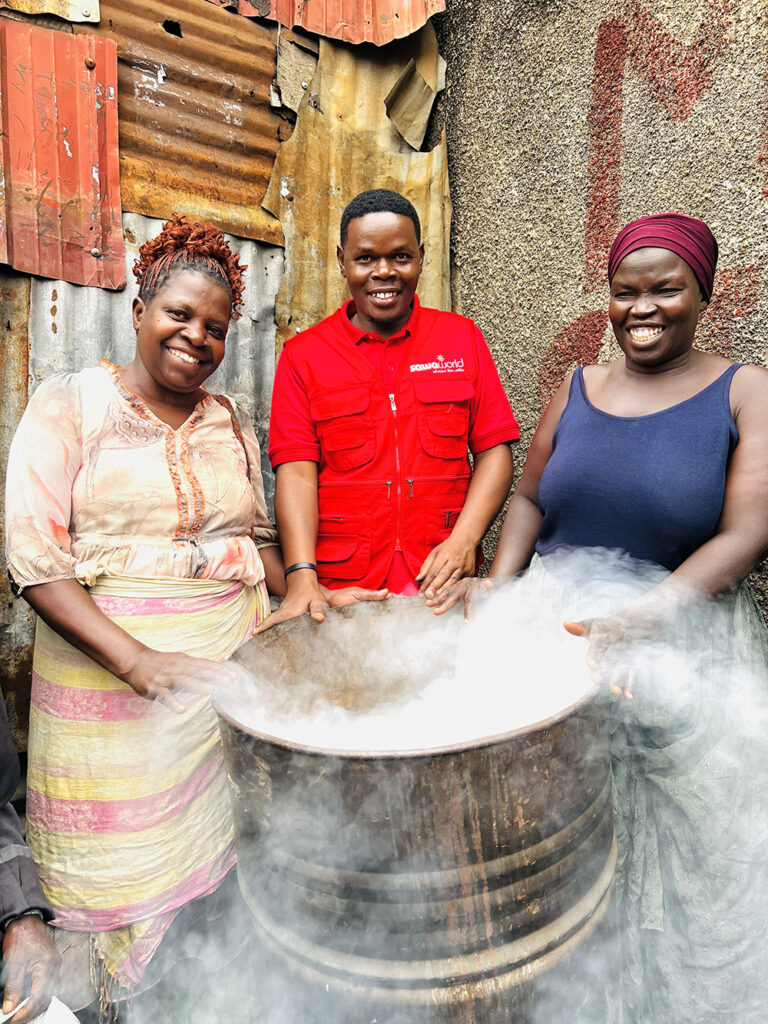
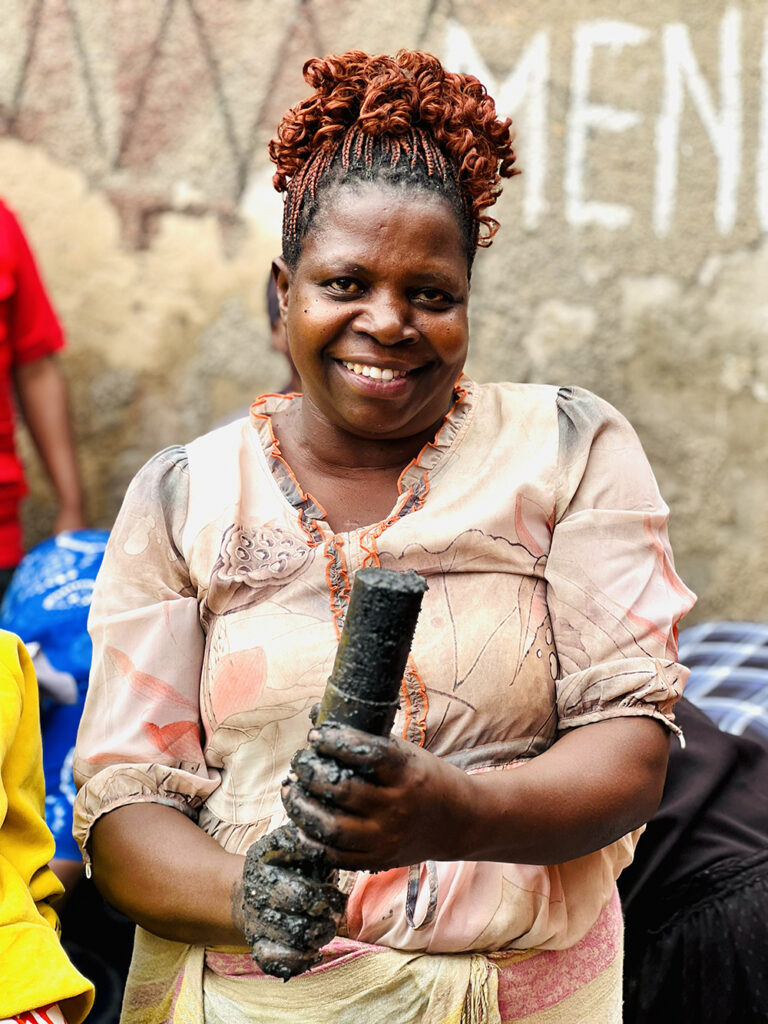
Rather than simply listening to explanations, participants had the opportunity to see, practice, and take part in the process of making eco- briquettes from locally available waste materials.
The session began by introducing participants to the different materials that can be used to make briquettes and how everyday waste can be collected and prepared for reuse.
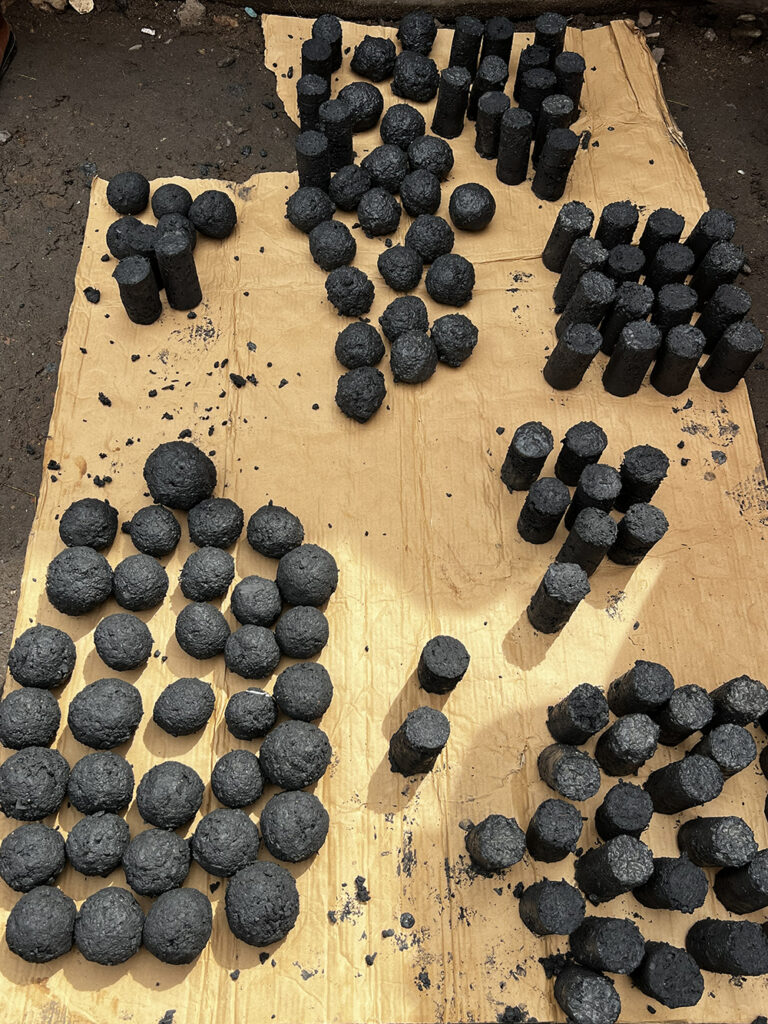
The trainers then demonstrated the process step by step, from preparing the materials and mixing them to shaping the briquettes and allowing them to dry.
Participants followed along, trying the process themselves and learning through practice. They could ask questions, make mistakes, try again, and understand what makes a good briquette.
As the training progressed, the conversation also moved beyond the practical skill. Participants explored how briquette making could become an income-generating activity, while also helping reduce waste and the pressure on the environment.
By the end of the session, participants had not only practiced making briquettes but also explored how they l could be applied beyond the training.
A skill that can go beyond the training
Learning to make briquettes is something that can be done using locally available materials and, with the right knowledge and effort, can grow into an income-generating activity.
It can mean having something useful to offer within the community. It can create an opportunity to earn from a product people need. It can also inspire others to look at local challenges as opportunities to create solutions.
A participant may take the skill home, share it with a family member, or begin exploring whether there is a market for the product in the community.
That is how one practical skill can begin to travel beyond the people who first learnt it.
Caring for the environment
The value of the training also goes beyond income. How we produce and use energy affects the environment around us. At the same time, poor waste management can create challenges for communities.
By learning how to reuse certain waste materials, participants are gaining a skill that connects livelihoods with environmental responsibility.
The solutions to environmental challenges begin in our homes, neighborhoods and they can begin with something we were about to throw away. It starts with seeing what we already have differently.
Creating opportunities from what is available
At Sawa World, we believe that people have the ability to create change when they have access to practical knowledge and the opportunity to use it.
Skills training can give people more than a new ability. It can give them confidence to try something different, solve a problem in their community, and explore new ways of earning a living, and the impact can reach beyond the people who participated in the training.
The future can start with what is already in our hands
In Katanga, the lesson is simple: something that might otherwise be discarded can become a useful product, a practical skill and, potentially, a source of income.
What happens next will depend on how participants apply, adapt and share what they have learnt beyond the training.
Bring practical skills to your community
Is your organization, youth group, or community interested in learning a local income-generating skill?
Sawa World works with communities and organizations to provide practical skills training that can help people discover new opportunities using locally available resources.
Get in touch with us, and let us plan skills training that responds to the needs and opportunities in your community.